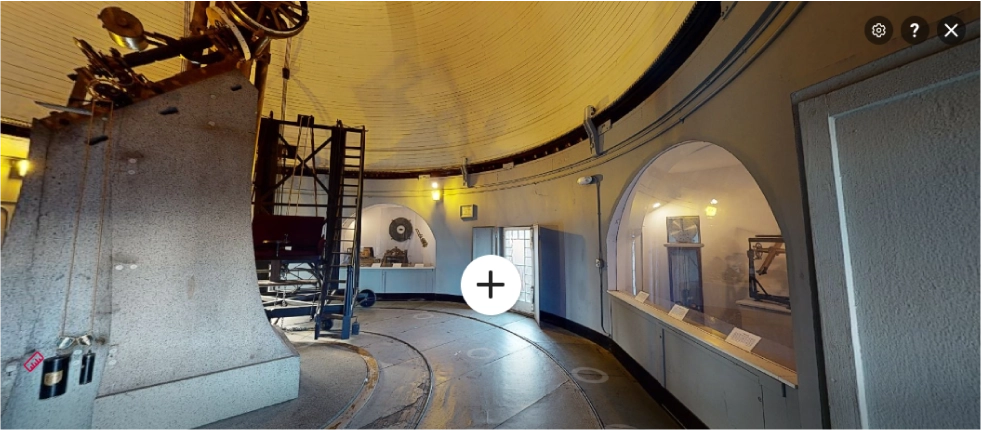
Your participation in DIY Planet Search — measuring the changing brightness of distant stars — connects to both the history and to the future of astronomical discovery. Explore these videos and virtual tours to find out how.
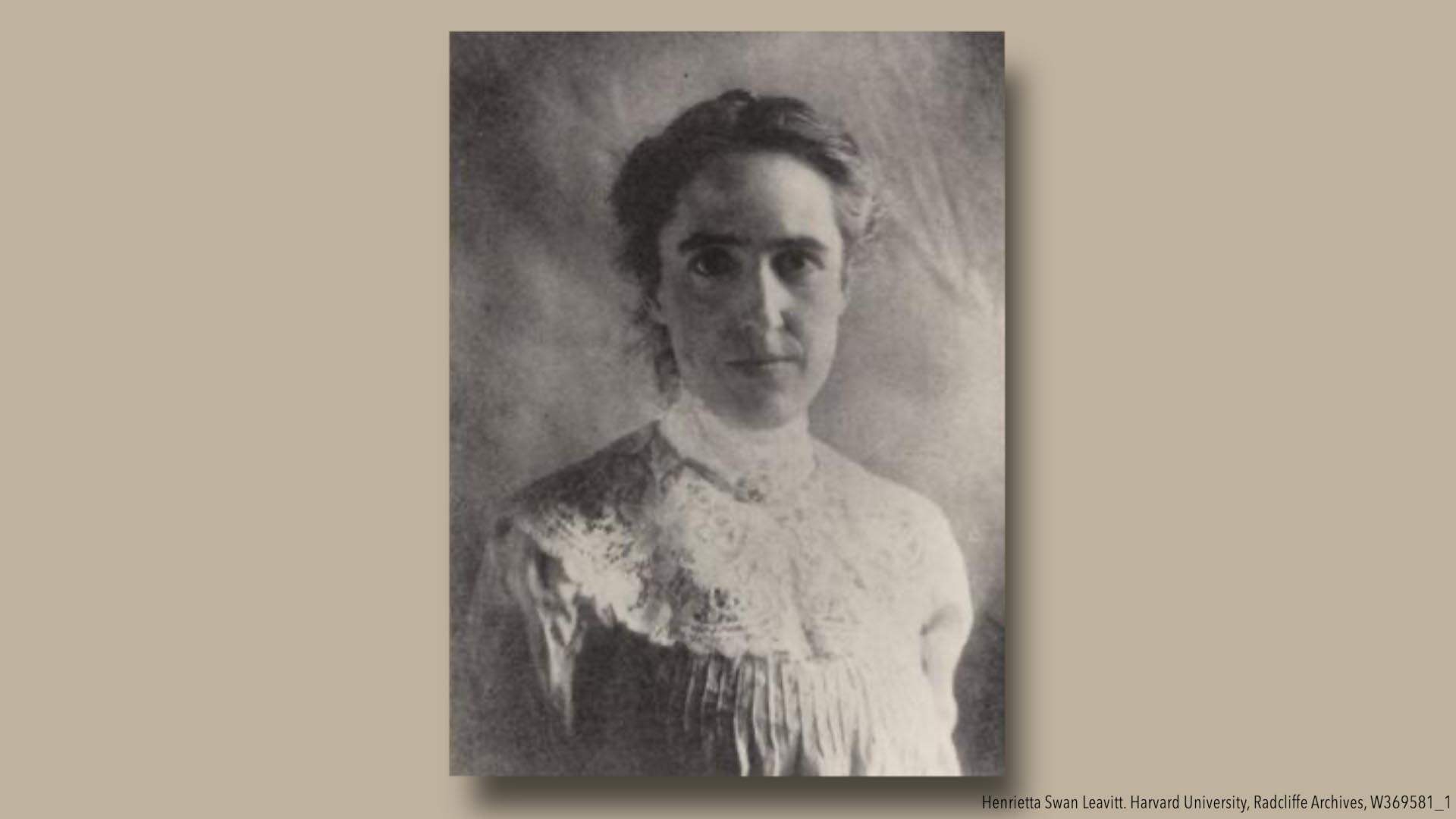
Henrietta Swan Leavitt: Measuring the Universe
Henrietta Swan Leavitt (1868-1921) was an American astronomer who was hired as a “computer” at the Harvard College Observatory, and became an expert at stellar photometry—measuring the changing brightnesses of thousands of stars as imaged onto photographic glass plates. Thom Burns, the Curator of the Harvard Glass Plate Collection at the Center for Astrophysics Harvard-Smithsonian, describes Leavitt's groundbreaking measurements that paved the way for understanding the scale of the universe.
Running time: 7:02
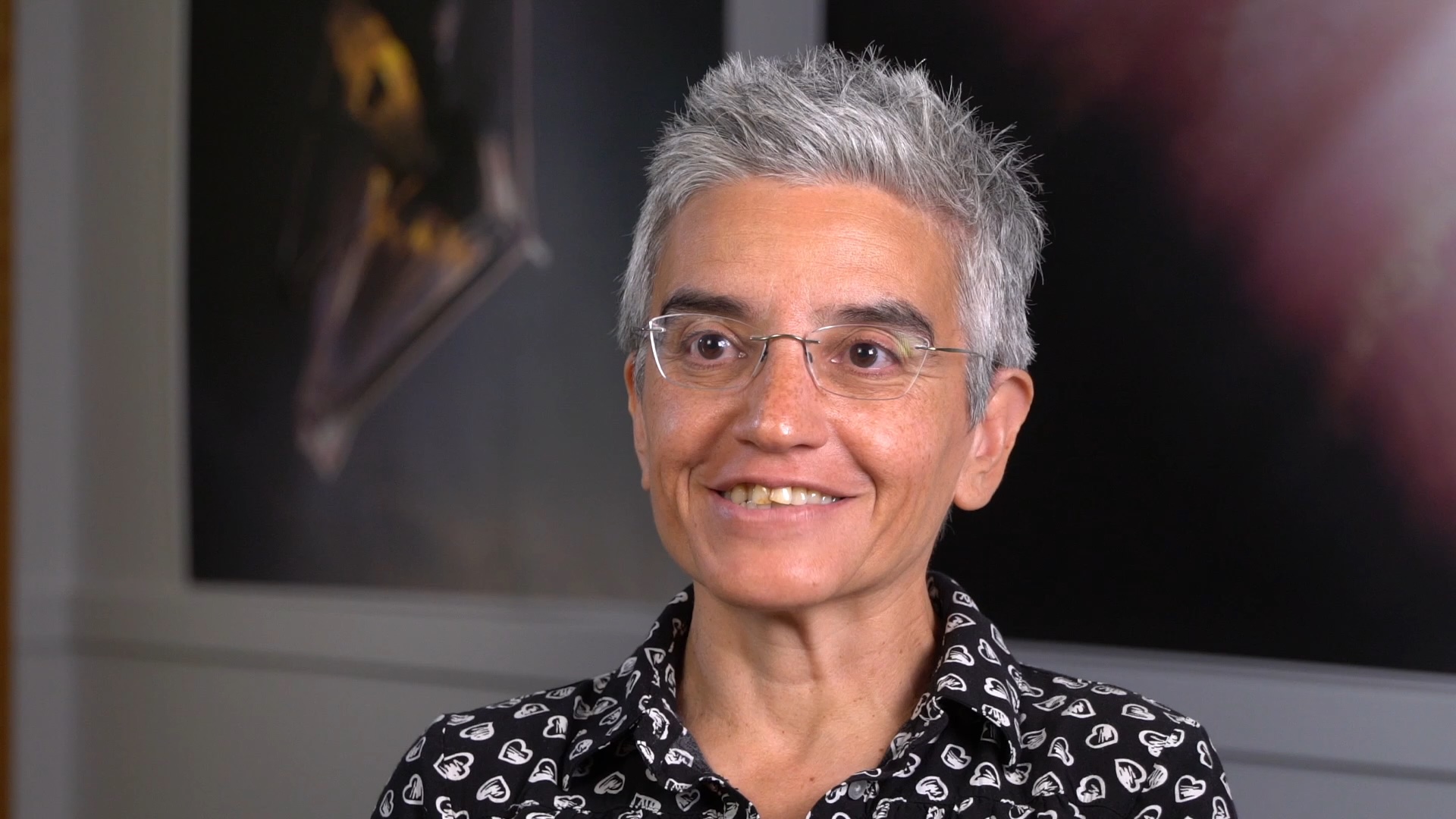
Mercedes López-Morales: Search for Earth-like Exoplanets
Astrophysicist Dr. Mercedes López-Morales at the Smithsonian Astrophysical Observatory is a specialist in studying the atmospheres of exoplanets. To try to answer the question "Are we alone?", she describes the progress that has been made so far to identify and categorize planets using the transiting method - as well as the challenges ahead to identify an exoplanet that may have life outside our solar system.
Running time: 5:29
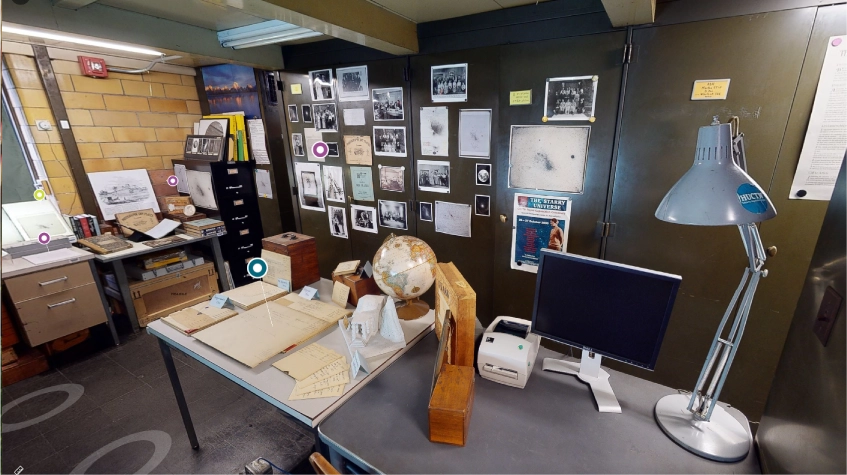
Harvard Plate Stacks: 3D Virtual Tour
The Harvard College Observatory's Astronomical Photographic Glass Plate Collection (Plate Stacks) is the largest collection of its kind in the world. The core of the collection is over 550,000 glass plate negatives and spectral images, covering both the northern and southern hemispheres. Hundreds of women studied and curated the Harvard Plate Stacks while making discoveries of their own, but more often than not their work went unrecognized.